Beyond Perfection: The Real Sprezzatura Meaning and Why It Defines True Luxury

Have you ever walked into a room, or met someone, and instantly felt a sense of calm sophistication? Nothing about them was loud. They weren’t wearing flashy logos, their hair wasn't shellacked into place, and their home didn't look like a sterile museum where you’re afraid to sit down.
Instead, there was a quiet, magnetic ease to everything they did.
In Italy, we have a word for this. It’s been our best-kept style secret since the Renaissance: sprezzatura.

Lately, as mass-market brands have co-opted and diluted trends like "quiet luxury" into meaningless internet hashtags, the global elite have begun searching for something more authentic. They are looking for soul, character, and a depth of style that can’t be bought off a rack. Consequently, a growing number of sophisticated individuals are looking past superficial trends to uncover the true sprezzatura meaning—and discovering that it holds the key to a completely elevated way of living.
Coined back in 1528 by the writer Baldassare Castiglione at the brilliant Renaissance court of Urbino, sprezzatura is the art of a certain noble nonchalance. It is the ability to show deep grace, style, and beauty without looking like you spent a single minute stressing over it.
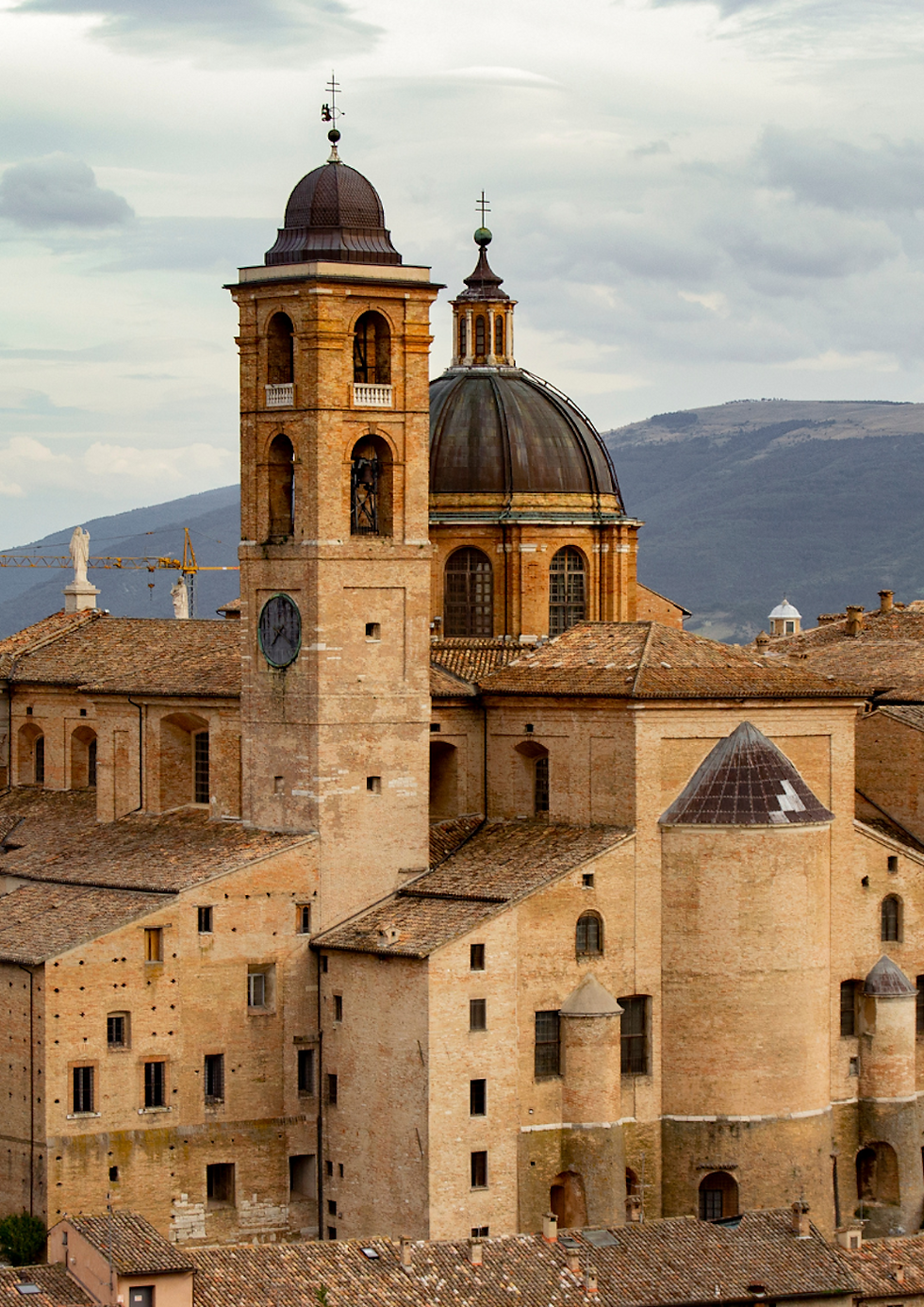
The Origins of the Sprezzatura Meaning: Castiglione at the Court of Urbino
To truly appreciate why sprezzatura feels so elite, we have to look at the exact moment and place it was born. It wasn’t dreamed up in a vacuum; it was designed as a survival guide for the most cutthroat, glamorous environment of the High Renaissance: The Ducal Court of Urbino.
The Author: Baldassare Castiglione
Baldassare Castiglione (1478–1529) was the ultimate insider. He wasn't just a writer observing high society from the sidelines; he was a prominent diplomat, soldier, and prominent courtier who moved fluidly between the power centers of Rome, Mantua, and Urbino. He understood the immense pressure of staying in the favor of unpredictable rulers.
The Book: Il Cortegiano (The Book of the Courtier)
Castiglione wrote his masterpiece over several years, finally publishing it in 1528. Written as a series of witty, fictionalized dialogues over four nights, the book debates a single question: What makes a perfect courtier?
During these debates, Castiglione introduces sprezzatura. He argued that a true gentleman or gentlewoman must master political strategy, horse riding, dancing, poetry, and languages—but they must display all of these skills with an absolute, breezy nonchalance.
The Setting: Urbino, the Pinnacle of Renaissance Refinement
The book is set specifically at the court of Guidobaldo da Montefeltro, the Duke of Urbino, and his brilliant wife, Elisabetta Gonzaga.
During the early 16th century, Urbino—a hilltop city in the Marche region—was considered the cultural jewel of Italy. The Ducal Palace (Palazzo Ducale) wasn’t a dark, defensive medieval fortress; it was a luminous, airy monument to humanism, filled with classical art, light-flooded loggias, and one of the finest libraries in Europe.
At Urbino, the atmosphere was highly intellectual and intensely competitive. Courtiers were constantly trying to outdo one another to win influence. Castiglione noticed that those who tried too hard—the ones who sweated, bragged, or looked practiced—became laughingstocks. They lacked sprezzatura.
By framing his philosophy in the light-filled halls of Urbino, Castiglione proved that the ultimate marker of power and sophistication isn't the effort you put in, but your ability to make greatness look entirely natural.
As a traveler, a homeowner, or someone who simply appreciates the finer things in life, embracing this Italian philosophy is the ultimate liberation. In a world that is constantly screaming for our attention, sprezzatura is a quiet rebellion. It’s the realization that the highest form of luxury isn't about showing off how much you spent—it’s about how comfortable you are in your own skin.

The Pressure of "Perfect" (And How to Break Free)
We’ve all fallen into the trap of over-curating our lives. We buy the beautiful leather bag and then worry about the first scratch. We remodel a room and spend our time fluffing pillows instead of actually enjoying the space. We try so hard to make our lives look seamless that we strip out the very thing that makes them beautiful: humanity.
When you understand the real sprezzatura meaning, your relationship with your surroundings completely changes. You stop protecting your pieces from the world and start letting them live with you.
The Asola Aperta: If you wear a bespoke suit, you leave the bottom cuff button undone. You know it’s handmade, but you don’t need to announce it.
The Cravatta Storta: Your silk tie or scarf is just a fraction askew. It tells the world you didn't spend an hour sweating in front of the mirror, even if your wardrobe is impeccable.
The Gift of Patina: You don't panic when your untreated leather travel bag gets a scuff, or when your unpolished travertine dining table shows the faint ring of a shared bottle of Brunello. You see it as the story of your life being etched into beautiful materials.
This isn’t carelessness. It’s studied nonchalance. It’s the confidence to treat precious things with casual familiarity.
A Global Taxonomy of Taste: How Do You Experience Luxury?
To appreciate just how liberating the Italian approach is, it helps to look at how different cultures across London, New York, or Berlin chase that elusive feeling of "high-end." You might recognize your own habits in one of these regional aesthetics:
France: The Rule of Elegance
Where the Italian consumer embraces a casual wrinkle, the French demand exquisite, breathtaking execution. It is a world of perfectly balanced perfumes, mathematically precise pastries, and flawless poise. It is beautiful, but it requires a lot of posture.
Germany & The DACH Region: The Luxury of Precision
In Frankfurt, Zürich, or Munich, luxury is stripped of drama and replaced with hyper-rational engineering. It’s the satisfying, heavy thud of a bespoke car door, or a kitchen hinge that moves in total silence. It is flawless and built to last three lifetimes—but it can sometimes feel a bit cold.
England: The Aristocratic Discretion
The British elite look down on anything brand new. To them, luxury is a thirty-year-old Savile Row tweed jacket with leather patches on the elbows, or a mud-splattered vintage estate car. It’s an exclusive, insider code based on heritage, but it can feel a bit rigid and unapproachable.
The United States: The Celebration of Success
In the US, luxury is cinematic, expansive, and pristine. It’s the crisp, white-on-white minimalism of a Hamptons estate or a high-tech Silicon Valley compound. It is incredibly comfortable and designed to actively reward your hard work—but the pressure to keep it looking brand new can be exhausting.
Canada: Refined Practicality
For the high-end Canadian lifestyle, luxury must brave the elements. It’s a stunning architectural chalet in Whistler made of raw Douglas fir, insulated with elite-performance materials. It’s rugged, grounded, and intensely private, prioritizing survival beautifully wrapped in sophistication.
What Sprezzatura Teaches Us About Designing a Life
So, what can we actually take away from this? How does this make your life better tomorrow?
When we design our homes, our wardrobes, or our travel experiences, we should strive for that same effortless Italian grace. A home shouldn't feel like a showroom; it should feel like a sanctuary. It should look like it came together organically over a lifetime of travel, curiosity, and passion—not like a designer walked in and bought everything from a single catalog on a Tuesday.
This is exactly how we approach our work at Artful Italia.
When we source rare materials, collaborate with multi-generational artisans, or help curate spaces, our goal isn't to create a rigid monument to wealth. We do the heavy lifting behind the scenes—the meticulous vetting, the technical engineering, the obsessive quality control—so that the final result feels completely natural, soulful, and effortless to you.
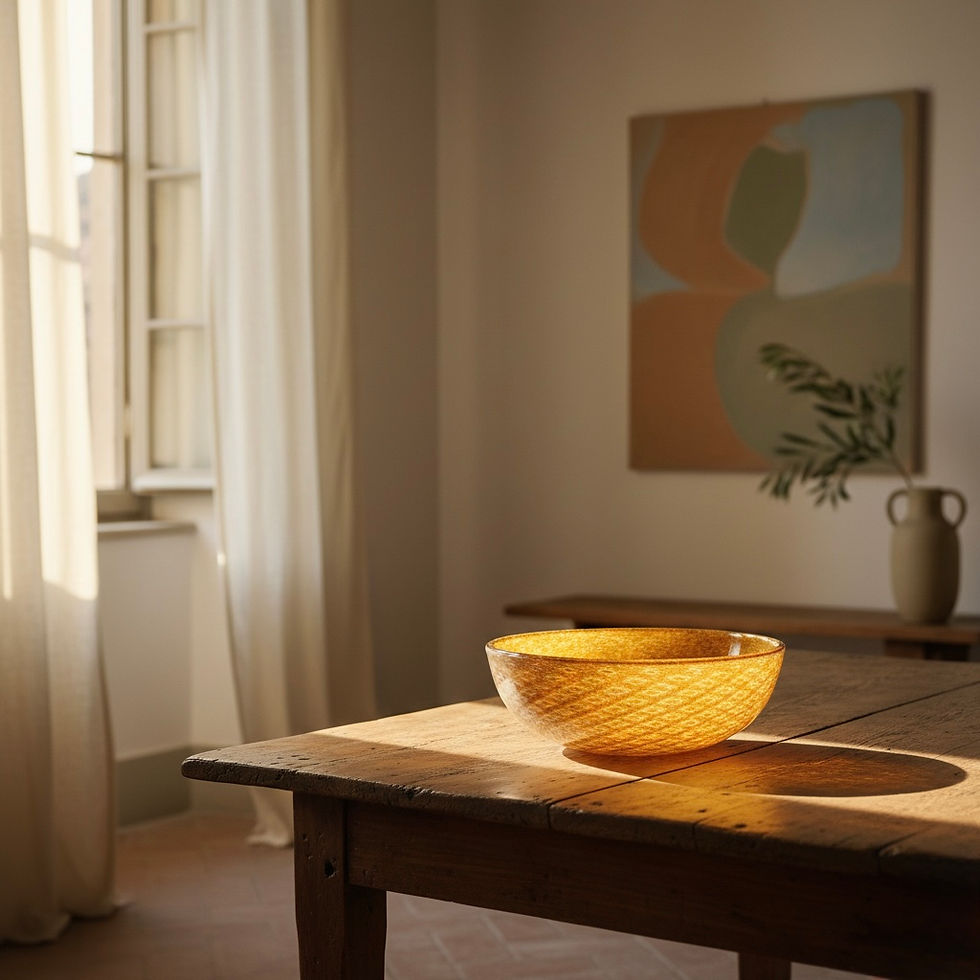
We believe that perfection is boring. It’s the human touch, the slight variation in a hand-blown Murano glass light fixture, or the rich, textured grain of hand-loomed Italian textiles that gives a space its heartbeat.
The Takeaway
True luxury is a weight lifted off your shoulders, not added to them. It gives you permission to relax, to host the dinner party without worrying about the marble countertop, and to wear the beautiful coat in the rain.
The next time you are choosing something for your home or your wardrobe, look past the brand name and the price tag. Ask yourself: Does this make me feel constrained, or does it give me the freedom to live beautifully and effortlessly?
Bring a little more sprezzatura into your world. Let the effort go, and let the beauty speak for itself.
How do you bring that sense of effortless ease into your own home? Do you lean toward the structured precision of the north, or are you ready to embrace the soulful nonchalance of Italy? Let’s talk about creating a space that truly lets you breathe.


Comments