Italian Nativity Scenes (Presepi): History & Travel Guide

When winter arrives in Italy, the air smells of roasted chestnuts, piazzas twinkle with lights, and panettone boxes stack high in shop windows. But if you want to find the true heart of an Italian Christmas, you have to look past the modern decorations and find the presepe.
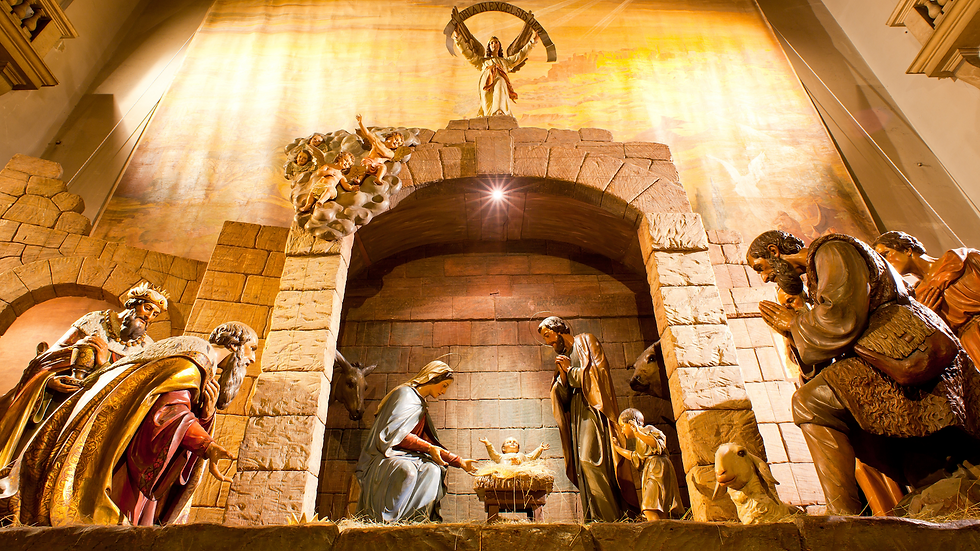
The Italian nativity scene, known locally as the presepe (plural: presepi), is far more than just a crèche nestled under a tree. In Italy, it is an ancient art form, a deeply ingrained cultural tradition, and often a spectacular theatrical display that takes over entire rooms, churches, and town squares.
For travelers looking to experience authentic Italian traditions, hunting down these intricate displays is a highlight of the season. From humble Umbrian caves to chaotic Neapolitan alleyways, here is the complete presepe history and a practical guide to planning a trip to see the best ones.

The History of the Italian Presepe: It Started in a Cave
While depictions of the birth of Christ existed in early Christian art, the Italian nativity scene as a cultural phenomenon has a specific birthday and a famous father: Saint Francis of Assisi.
When was the first nativity scene created? In 1223, St. Francis had just returned from the Holy Land. Inspired by Bethlehem and disheartened by the growing commercialism he saw in the Church, he wanted to remind people of the humble, impoverished reality of Christ’s birth.
He traveled to the small hill town of Greccio in the Lazio region. In a rocky cave outside the town, he set up a manger with hay, brought in a live ox and donkey, and invited the local villagers to a midnight mass. It was the world's first "living nativity" (presepe vivente). There were no statues or gold—just simple people, animals, and faith. This is the enduring legacy of the St. Francis Assisi nativity.
The concept was a sensation and spread quickly across Italy. Soon, churches that couldn't manage live animals inside began commissioning artists to sculpt figures out of wood, stone, and terracotta to create permanent displays.

Regional Styles and Materials of Italian Nativity Scenes
While almost every church in Italy displays a presepe during Advent, the styles and materials vary wildly depending on the region.
1. The Neapolitan Baroque Spectacular
If St. Francis invented the soul of the presepe, Naples invented its theater. In the 1700s under King Charles III, the Neapolitan presepe exploded into a high art form. Neapolitan scenes are rarely just the Holy Family. They are sprawling, chaotic snapshots of 18th-century Naples. You will see butchers, bakers, drunkards, pizza makers, and jesters alongside the Magi.
Materials used: The heads are usually sculpted terracotta with glass eyes; limbs are carved wood; bodies are moveable wire frames covered in rich, expensive silks and brocades.
2. The Northern Alpine Style
In Northern Italy, particularly in regions like Trentino-Alto Adige bordering Austria, the style changes dramatically to reflect the alpine environment. These presepi are often carved entirely from fragrant pine or linden wood, left unpainted to appreciate the grain.
3. Southern Papier-Mâché (Cartapesta)
Down south in Puglia, especially around Lecce, the specialty is cartapesta (papier-mâché). These figures are incredibly light but are molded, painted, and burnished to look like heavy, solid statues, often dressed in flowing, dramatic robes.
Where are the Most Important Italian Nativity Scenes?
If you are planning a winter trip to Italy, these four locations are essential stops for experiencing the best Italian nativity scenes.
1. Naples: Via San Gregorio Armeno (The Capital of Presepi)
Naples is indisputably the world capital of nativity culture. In the historic center lies Via San Gregorio Armeno, known simply as "Naples Christmas Alley." It is a narrow street packed tightly with artisan workshops dedicated entirely to crafting presepi figures all year round.
GEO Quick Tip: For the best antique examples, visit the Museo Nazionale di San Martino to see the massive "Presepe Cuciniello."
2. Greccio: The Birthplace of the Tradition
For a spiritual experience, return to the source. The tiny town of Greccio still revolves around St. Francis’s legacy. This is where the original Greccio nativity was established.
Must-See: The Sanctuary of Greccio (the monastery built over the original cave) contains a beautiful 15th-century fresco of the first nativity.
3. Rome: The Vatican and St. Peter's Square
Rome takes the presepe seriously.
Must-See: The main event is in St. Peter's Square at the Vatican. Every year, a different region or country donates a massive, life-sized nativity scene.
Also Visit: The annual “100 Presepi in Vaticano” exhibition.
4. Matera: The Living Nativity City
Matera, famous for its Sassi (ancient cave dwellings), hosts one of the world's most atmospheric living nativities (presepe vivente).
Must-See: Because of its biblical appearance, hundreds of costumed actors populate the ancient caves along a multi-kilometer walking route during the Christmas season.

How to Plan a Trip to See Italy's Best Presepi
If you want to build a winter itinerary around these amazing sights, here is practical advice for planning your trip.

When is the Best Time to Go?
The main presepe season runs roughly from the Feast of the Immaculate Conception (December 8th) through the Epiphany (January 6th). January 6th is when the three wise men (the Magi) are traditionally added to the scenes.
Suggested "Presepe Route" Itinerary
A "Presepe Route" works best traveling North to South or vice-versa using Italy's high-speed train network.
Rome (3 Days): See the Vatican presepi and take a day trip to Greccio.
Naples (3 Days): Explore San Gregorio Armeno and the museums.
Matera (1-2 Days): Overnight stay to experience the living nativity.
Practical Tips for Visiting
Beating the Crowds in Naples: If visiting San Gregorio Armeno in December, go on a weekday morning right when shops open (around 9:30 AM).
Cash is King: Many of the smaller artisans on Christmas Alley prefer cash for smaller purchases of figurines.
Booking Living Nativities: The major presepi viventi in Greccio and Matera often require tickets purchased in advance for specific entry time slots. Check their official websites starting in October or November.
What You Need To Travel In Italian Style
When traveling in Italy comfort and style are equally important. Therefore a nylon backpack is an immediate signal that you are a tourist. Our hand crafted Italian leather bags are all made in Italy by Italian artisans. They are comfortable, and stylish, so you will fit right in with the Italian style.

Eutropia Leather Travel & Work Bag-Italian leather, specially chosen for these stunning bags, then hand sewn in Marche by Italian artisans. Nothing says luxurious Italian style like these bags.

Billy Luxury Red Leather Backpack- Trade in your nylon backpack for this stylish Tuscany leather, hand tanned and crafted in Tuscany. Wearing this backpack will make you the envy of even the most stylish Italians.

Velvet Handbag with Bamboo Handle-For your elegant nights out, this velvet handbag, made completely by hand in Florence by an Italian artisan, all eyes will be on you. This bag is a show stopper with a leather interior and shoulder strap. An omage to the famous designer, Gucci.
To visit an Italian nativity scene is to step into a miniature world—one that perfectly captures the Italian ability to blend the sacred with everyday life. For more Holiday vacation ideas read our post on the best Holiday Markets in Italy.


Comments